AI belongs in your marketing strategy, not beside it
Why AI works best as part of your core marketing strategy, and where to start.
 Amanda Schneck · November 2, 2026 · 2 min read
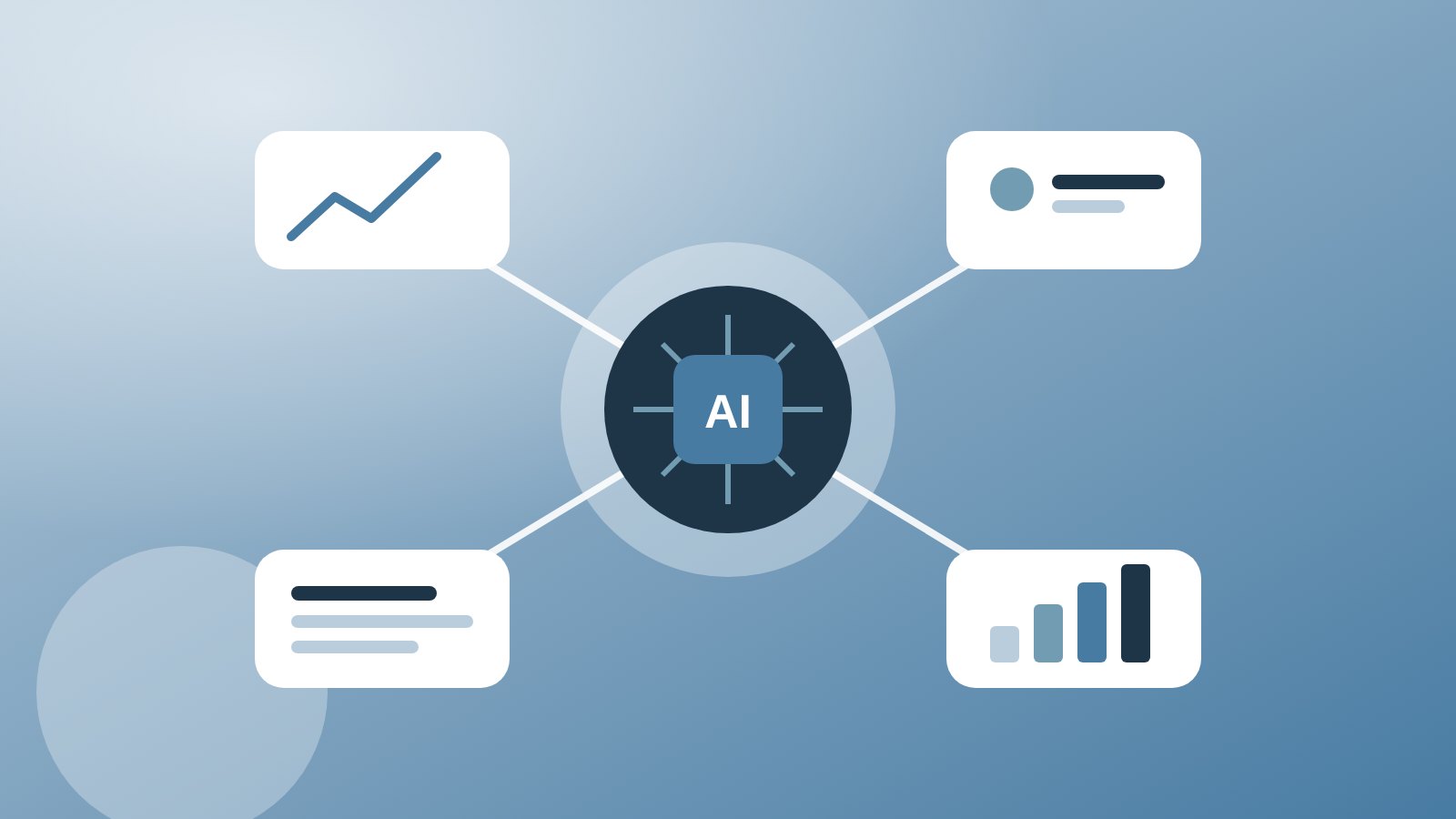
Most organizations are already using AI in marketing. Someone on the team drafts copy with it. Someone else uses it for research or images. But very few have a plan for how AI supports the strategy as a whole.
That's the gap. AI treated as a side project creates scattered tools and uneven results. AI built into your strategy makes everything sharper, faster and more personal.
Start with the business, not the tool
The first question isn't "Which AI tool should we buy?" It's "What are we trying to achieve, and where could AI help us get there faster?"
When AI decisions start from your revenue goals and customer needs, the right uses become clear, and the wrong ones are easy to set aside.
Four places AI creates real advantage
- Predictive insights. Spot opportunities, forecast performance and decide where to invest before you spend.
- Personalized customer journeys. Deliver relevant messages and offers to each customer, automatically.
- Smarter content. Create, test and adapt content faster, while keeping your brand voice consistent.
- Performance optimization. Find what's working across channels and shift budget with confidence.
What integration actually looks like
Integrating AI into your strategy means:
- Prioritizing use cases by business impact, not novelty.
- Connecting your data so AI has accurate information to work with.
- Setting clear guidelines for how your team uses AI responsibly.
- Training your people so AI elevates their expertise instead of replacing their judgment.
- Measuring results with the same KPIs you use for everything else.
The human part still matters most
AI is powerful, but it doesn't know your customers, your culture or your goals the way your team does. The best results come from pairing AI's speed with experienced human judgment.
The bottom line
AI isn't a separate initiative. It's a capability that makes your whole marketing strategy work better, when it's planned, governed and measured like everything else.
Want to explore where AI fits in your strategy? Talk to me about AI.
Keep reading.
 What a fractional CMO actually does — and when you need one
What a fractional CMO does, how it differs from a consultant, and the signs your organization is ready for one.
 Fractional or full-time CMO? How to decide
A practical guide to choosing between a fractional and a full-time CMO, based on stage, budget and team.
 Your first 90 days with a fractional CMO
What a strong fractional CMO engagement looks like in the first 30, 60 and 90 days.
Your next stage of growth starts with one conversation.
Tell me where you are and where you want to go. We'll find the right way to get there.
