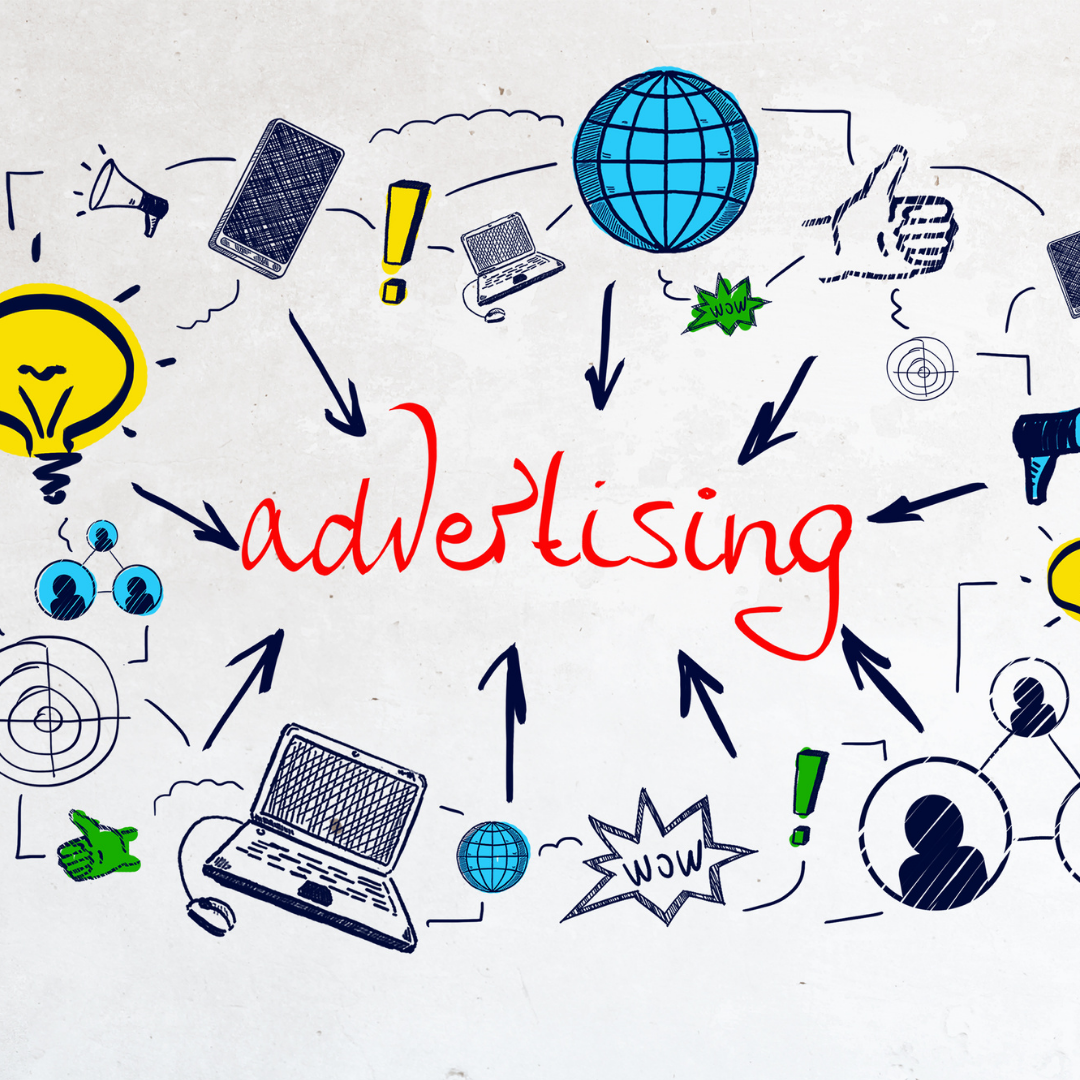
We are surrounded by advertisements, especially in our digital environment. They run on intricate algorithms, compiled with data and expertly planned. You will encounter ads when you watch videos, respond to emails, and tap through your friends’ Stories. This phenomenon exists because of targeted marketing. As you delve into the Internet, certain browsers, apps, and websites pick up notes on your browsing habits. Lingering in online shopping carts and scrolling through product pages does not go unnoticed. In this way, the Internet has become a virtual market place, and target marketing is the presence of vendors shouting for your attention.
The Pros of Targeted Marketing
- More Relevant Ads: You’ll see advertisements based on content that interests you. You’re less likely to be annoyed with content that has absolutely no relevance to your own lifestyle.
- More Access to Sales: Companies tend to push their best promotions through targeted ads. Offers like BOGO, free shipping, and memberships give people more options for thrifty spending.
The Cons of Targeted Marketing
- More Temptation to Buy: Society is consumerist, and certain trends exist because of the temptation to spend money on items that one would consider non-essential.
- Loss of Privacy: In order to receive ads relevant to your interests, advertisers need to know what you’re looking at online. This data is broken into pieces and compounded by data brokers who can sell it to companies. The data usually does not contain vitally private information, but many, many people deem it as a cause for concern.